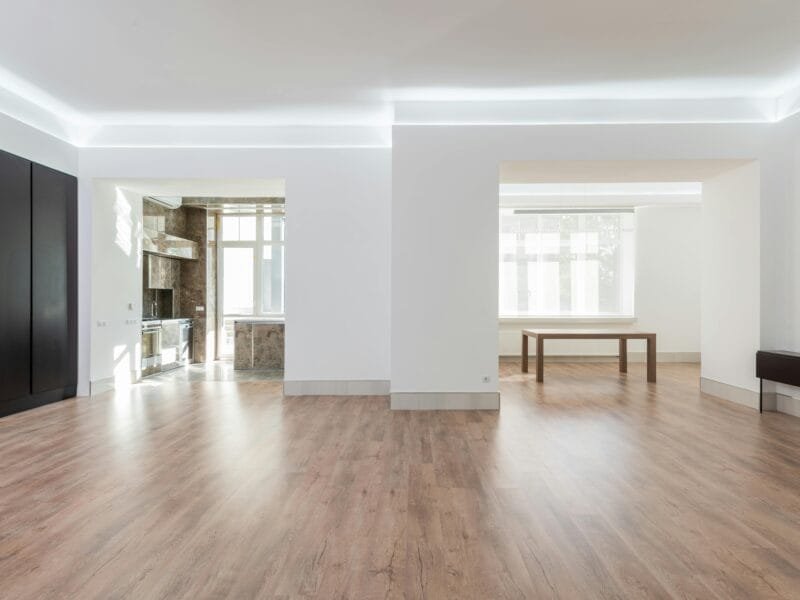
As interest in sustainable home renovation continues to grow, reclaimed floorboards have become an increasingly considered material choice. However, not all reclaimed wood is sourced or processed in the same way. Ensuring that floorboards are ethically reclaimed requires careful evaluation of their origin, treatment, and supply chain transparency.
Why Ethical Sourcing Matters
Reclaimed wood is often associated with sustainability, but its environmental value depends on how it is sourced. Ethical sourcing ensures that timber is genuinely salvaged rather than newly harvested and artificially aged or misrepresented.
It also considers labour practices, transportation impact, and environmental responsibility throughout the supply chain. Without these assurances, reclaimed wood risks becoming a misleading label rather than a genuinely sustainable solution.
Verifying the Origin of Reclaimed Wood
A key step in sourcing ethically reclaimed floorboards is understanding where the material comes from. Reputable suppliers should be able to provide clear information about the wood’s previous use, whether from agricultural buildings, industrial sites, or residential properties.
Transparency is essential. Suppliers who document the provenance of their materials help establish trust and allow homeowners to make informed decisions. In some cases, reclaimed wood may even be traceable to specific structures, adding both historical and material value.
If origin details are vague or unavailable, it may indicate that the wood has not been responsibly sourced or properly verified.
Choosing Trusted Suppliers
Working with established and reputable suppliers is one of the most effective ways to ensure ethical sourcing. Specialists in reclaimed timber typically follow defined processes for salvaging, grading, and preparing wood for reuse.
Look for suppliers who prioritise sustainability, including responsible dismantling practices and minimal waste. Certifications or affiliations with environmental organisations can provide additional reassurance, although they are not always present in smaller, independent operations.
Local sourcing is also worth considering. Choosing suppliers within a closer geographic range can help reduce transportation emissions and support regional circular economies.
Assessing Processing and Treatment
Ethically reclaimed floorboards should be carefully processed to ensure they are safe, stable, and suitable for residential use. This includes cleaning, de-nailing, kiln-drying, and grading the timber.
Kiln-drying is particularly important, as it removes excess moisture and helps prevent future warping or pest issues. Proper treatment ensures that the wood meets modern performance standards without compromising its environmental benefits.
It is also advisable to ask about the finishes and treatments used. Low-VOC products are preferable, as they minimise indoor air pollution and align with broader sustainability goals.
Avoiding Misleading Claims
As demand for reclaimed materials increases, so too does the risk of misleading claims. Some products marketed as “reclaimed” may in fact be newly manufactured wood designed to mimic aged characteristics.
To avoid this, it is important to question unusually uniform appearances or pricing that seems inconsistent with genuine reclaimed materials. Authentic reclaimed wood typically shows natural variation in grain, colour, and wear.
Clear communication with suppliers, along with a willingness to ask detailed questions, can help distinguish between genuinely reclaimed products and imitations.
Balancing Sustainability and Practicality
While ethical sourcing is essential, practical considerations should not be overlooked. Reclaimed floorboards can vary in size, thickness, and condition, which may influence installation requirements and overall cost.
Working with experienced installers can help address these challenges, ensuring that the material performs effectively in its new setting. When sourced and installed correctly, reclaimed floorboards offer both environmental and functional benefits.
It is also worth considering long-term durability. High-quality reclaimed timber, particularly from older structures, often provides excellent longevity, reducing the need for replacement and further supporting sustainable renovation practices.
Making an Informed Choice
Sourcing ethically reclaimed floorboards involves more than selecting a visually appealing material. It requires attention to origin, supplier practices, processing methods, and environmental impact across the entire lifecycle of the product.
By prioritising transparency and responsible sourcing, homeowners can ensure that their renovation choices genuinely contribute to sustainability goals. In doing so, reclaimed floorboards become not only a design feature, but a considered step toward reducing environmental impact within the built environment.