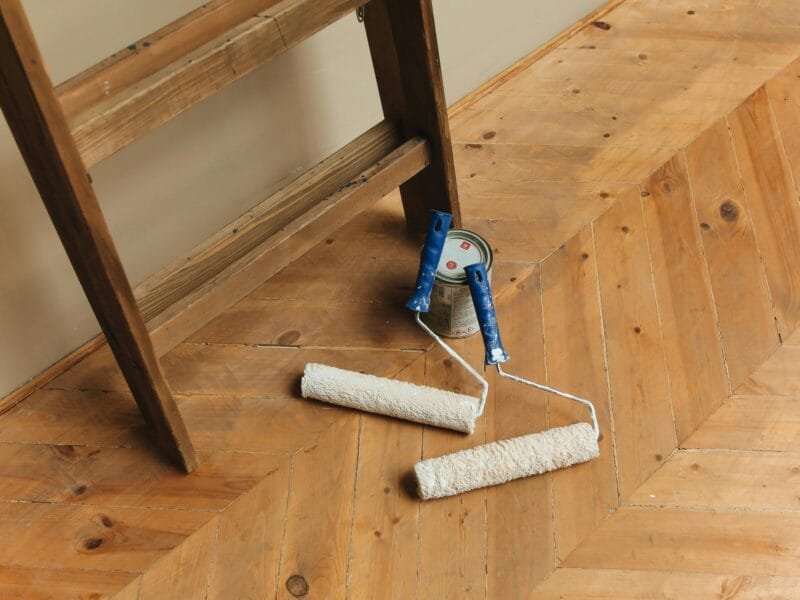
As sustainability becomes a central consideration in modern home renovation, material choices are increasingly scrutinised for their environmental impact. Among these, reclaimed wood flooring stands out as a practical and meaningful way to reduce carbon footprints while preserving character and durability within a space.
Understanding the Environmental Impact of New Timber
The production of new hardwood flooring carries a significant environmental cost. From logging and transportation to processing and finishing, each stage contributes to carbon emissions. Even when sourced responsibly, newly harvested timber still requires energy-intensive treatment before it reaches the home.
Deforestation also remains a concern in some parts of the world, contributing not only to carbon release but also to biodiversity loss. While certified sustainable wood is a step in the right direction, reducing demand for newly harvested materials altogether offers a more direct route to lowering environmental impact.
What Is Reclaimed Wood Flooring?
Reclaimed wood flooring is created from timber that has already been used in previous structures such as barns, factories, warehouses, or even historic homes. Instead of being discarded, this wood is carefully salvaged, treated, and repurposed for new applications.
This process extends the lifecycle of existing materials, preventing waste and significantly reducing the need for fresh timber extraction. In essence, it transforms what would have been a disposal issue into a valuable resource.
Lowering Carbon Footprints Through Reuse
One of the most significant environmental advantages of reclaimed wood flooring is its ability to reduce embodied carbon. Because the timber has already been harvested and processed in the past, the need for energy-intensive production is greatly diminished.
The carbon stored within the wood itself remains locked in, rather than being released through decomposition or incineration. By reusing existing timber, homeowners effectively avoid the emissions associated with both new material production and waste disposal.
Transport emissions can also be reduced, particularly when reclaimed wood is sourced locally. Many suppliers specialise in regional salvage, further lowering the overall environmental impact of the material.
Durability and Longevity
Reclaimed wood is often sourced from older structures built with slow-grown timber, which tends to be denser and more durable than many modern alternatives. This inherent strength contributes to a longer lifespan, meaning the flooring is less likely to require replacement over time.
Longevity plays a key role in sustainability. Materials that last longer reduce the need for future manufacturing, transport, and installation, each of which carries its own carbon cost. In this sense, reclaimed wood flooring supports a more circular approach to home renovation.
Aesthetic and Architectural Value
Beyond its environmental benefits, reclaimed wood flooring offers a distinctive aesthetic that cannot be easily replicated with new materials. Natural weathering, patina, and historical markings contribute to a sense of authenticity and depth.
For period properties, reclaimed wood can help maintain architectural integrity, while in contemporary settings it introduces warmth and texture. This adaptability makes it a versatile choice across a range of design contexts.
Importantly, its appeal is not based on trends but on material character, which tends to endure over time. This reduces the likelihood of aesthetic-driven replacements, further supporting sustainability goals.
Considerations for Installation
While reclaimed wood flooring offers clear environmental advantages, careful sourcing and preparation are essential. Proper treatment ensures the timber is free from pests, moisture issues, and structural weaknesses.
Professional installation is often recommended to account for variations in board size and condition. When handled correctly, reclaimed wood performs comparably to new flooring, both structurally and visually.
It is also worth considering finishes and adhesives, as these can influence the overall environmental impact. Low-VOC (volatile organic compound) products can help maintain indoor air quality while aligning with sustainability objectives.
A Sustainable Step Forward
Reclaimed wood flooring represents a tangible way to reduce the environmental impact of home renovation without compromising on quality or design. By prioritising reuse over new production, it addresses both carbon emissions and material waste in a single solution.
As the built environment continues to adapt to environmental pressures, choices like reclaimed wood flooring demonstrate how thoughtful material selection can contribute to more sustainable outcomes, quietly but effectively shaping the homes of the future.