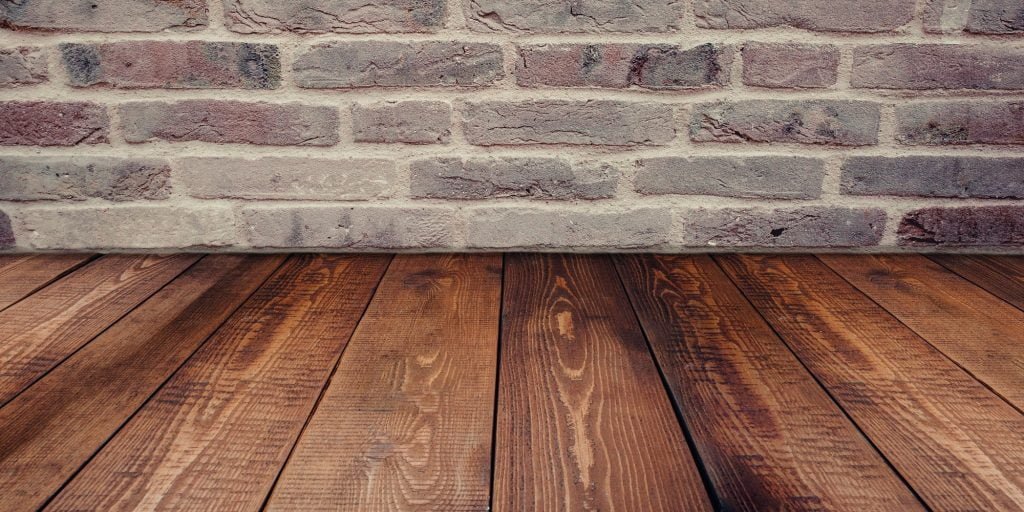
Reclaimed floorboards bring character, warmth, and history to any home. However, because they are often decades – or even centuries – old, they can be more sensitive to environmental conditions than brand-new flooring.
Moisture and humidity are two of the biggest threats to reclaimed wood flooring. If not properly managed, they can cause boards to warp, swell, cup, or even rot over time. The good news is that with the right preparation and care, reclaimed floorboards can last a lifetime.
Here’s everything you need to know about protecting reclaimed floorboards from moisture and humidity.
Understand Why Moisture Affects Reclaimed Wood
Wood is a natural material, which means it constantly reacts to its environment. When humidity levels rise, timber absorbs moisture and expands. When conditions are dry, it contracts.
Reclaimed floorboards are often more porous than modern engineered flooring, making them particularly vulnerable to these changes. This doesn’t mean reclaimed wood is unsuitable for modern homes – it just requires a little extra care and attention.
Understanding this natural movement is the first step in protecting your floors.
The Importance of Proper Installation
The best protection for reclaimed floorboards begins long before they are laid. Correct preparation and installation are absolutely essential for preventing future moisture issues.
Before installation, reclaimed boards must be thoroughly dried, cleaned, and allowed to acclimatise to their new environment. Acclimatisation usually takes at least one to two weeks and allows the timber to adjust naturally to the temperature and humidity levels of the room. Skipping this step can result in significant movement after fitting.
It is also crucial that a suitable subfloor and damp-proof membrane are in place. This is particularly important in ground-floor rooms or when laying boards over concrete. A professional installer will always assess moisture levels and ensure that reclaimed floorboards are fitted in a way that minimises risk.
Seal Reclaimed Floorboards for Extra Protection
Sealing reclaimed wood flooring is one of the most effective ways to guard against moisture.
A high-quality sealant creates a protective barrier that helps prevent water from penetrating the surface of the timber.
Popular finishes for reclaimed floorboards include:
Hardwax oil
Polyurethane lacquer
Natural wood oils
Varnish
Hardwax oils are particularly popular because they protect the wood while still allowing it to breathe naturally. This helps maintain the authentic look and feel of reclaimed boards without making them overly glossy or artificial.
Whichever finish you choose, applying multiple coats will provide the best level of protection.
Control Humidity Levels in Your Home
Even well-sealed reclaimed floorboards can struggle if the indoor environment is too damp or too dry. Controlling humidity inside your home is one of the most important steps in protecting timber flooring.
Ideally, indoor humidity should be kept between 40% and 60%. Large swings outside of this range can cause reclaimed wood to expand and contract excessively. Simple measures such as using a dehumidifier, improving ventilation, and avoiding extreme temperature changes can make a huge difference.
Kitchens and bathrooms are naturally more humid spaces, so using extractor fans and ensuring good airflow is particularly important if reclaimed floorboards are installed nearby.
Everyday Care and Cleaning
Day-to-day habits play a big role in protecting reclaimed wood flooring from moisture damage. While sealed boards can handle light use, they should never be exposed to standing water or overly wet cleaning methods.
Spillages should always be wiped up as soon as possible, and floors should only be cleaned with slightly damp – never soaking wet – mops or cloths. Using gentle, wood-friendly cleaning products will help maintain the protective finish without stripping it away.
Placing rugs or mats near sinks, doorways, and high-traffic areas can also help shield reclaimed floorboards from excess moisture and wear.
Extra Protection in High-Moisture Rooms
Using reclaimed floorboards in kitchens, bathrooms, or utility rooms is certainly possible, but these spaces require additional care and attention.
In these environments, applying extra coats of sealant, using moisture-resistant underlays, and ensuring excellent ventilation are essential steps. With the right precautions, reclaimed timber floors can perform beautifully even in more challenging areas of the home.
Ongoing Maintenance for Lasting Results
Protecting reclaimed floorboards is not a one-time job. Over the years, finishes will naturally wear down and need refreshing. Regular maintenance such as re-oiling, resealing, and checking for small areas of damage will help keep moisture at bay.
By staying proactive and addressing minor issues early, you can prevent them from becoming major problems later on.
Final Thoughts
Reclaimed floorboards are a timeless and sustainable flooring choice, full of unique character and charm. Although they can be sensitive to moisture and humidity, this should never put you off using them in your home.
With careful installation, effective sealing, stable indoor conditions, and sensible ongoing care, reclaimed wood flooring can remain beautiful and durable for generations.
Taking the time to protect your reclaimed floorboards properly will ensure they continue to tell their story – without being damaged by the elements along the way.