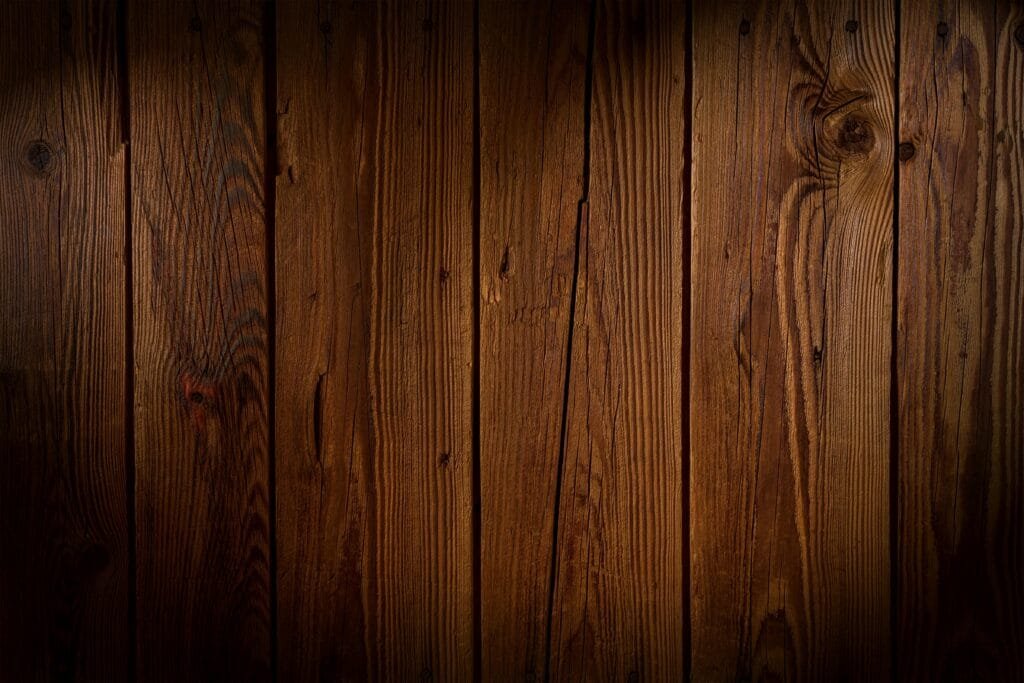
Flooring is one of the largest visual elements in any home – and the colour of your floor plays a huge role in how a space feels, functions, and flows. When you’re working with reclaimed wood, tone becomes even more important. Each board carries its own history, patina, and depth of character, so choosing the right shade can completely transform the atmosphere of a room.
At Reclaimed Floorboards UK, we know that selecting a reclaimed wood tone isn’t just about design preferences – it’s about creating a timeless, harmonious backdrop that enhances your home’s architecture and reflects your personal style. Here’s how different tones influence a space, and how to choose the perfect one for your project.
Light Tones: Bright, Airy, and Space-Enhancing
Light-toned reclaimed woods, think pale oak, whitewashed pine, or sun-bleached elm, are ideal for creating an open, airy feel. These colours naturally reflect more light, making them perfect for smaller rooms, north-facing spaces, or interiors with limited natural light.
Benefits of light reclaimed flooring:
Makes rooms feel larger and more spacious
Creates a fresh, modern look while retaining rustic charm
Helps highlight architectural features by providing a neutral backdrop
Works beautifully with Scandinavian, coastal, and minimalist styles
Light tones also soften the aged textures in reclaimed timber, creating a gentle balance between old and new.
Mid Tones: Warm, Versatile, and Timeless
Mid-toned reclaimed woods, such as honey oak, mellow maple, or gently aged chestnut, offer the most versatility. They bring warmth and natural richness to a space without overpowering it, making them suitable for almost any style of home.
Why choose mid tones?
They complement both modern and traditional interiors
They balance light and shadow, adding depth without darkening a room
They work harmoniously with most wall colours and furnishings
They highlight the natural grain and patina of reclaimed boards
These tones are especially popular in Victorian and Edwardian properties, where they help bridge the gap between heritage charm and contemporary living.
Dark Tones: Dramatic, Sophisticated, and Statement-Making
Darker reclaimed woods, weathered walnut, smoked oak, or deep antique pine, create a bold, dramatic effect. They bring gravitas and luxury to a space and work particularly well in larger rooms or places with abundant natural light.
Dark floors can:
Add depth and bold contrast to light-coloured walls
Create a cosy, intimate atmosphere
Highlight the distinctive markings, knots, and aged features of reclaimed wood
Pair beautifully with earthy tones, brass accents, or heritage palettes
They’re also a popular choice for period properties where homeowners want to restore a sense of historical depth and authenticity.
The Role of Undertones: Cool vs Warm Shades
Wood tone isn’t just about lightness or darkness – undertone plays a crucial role too. Choosing between warm and cool undertones helps determine how your floor interacts with furniture, paint colours, and natural light.
Warm undertones (honey, amber, caramel):
Enhance cosy, welcoming interiors
Pair well with warm whites, greens, rust, terracotta, and oak furnishings
Cool undertones (grey, taupe, driftwood):
Create a calm, modern, understated feel
Complement cool whites, blues, blacks, and industrial materials
Matching undertones ensures your flooring enhances, rather than clashes with, your overall design scheme.
Thinking About Mood, Style, and Practicality
Your floor colour should support both your design vision and your lifestyle. Reclaimed wood is naturally forgiving, but tone still affects maintenance and day-to-day appearance.
Consider the following:
Light floors show fewer scratches but may reveal dirt more easily.
Dark floors hide dirt well but can highlight dust or pet hair.
Mid tones are the easiest to maintain, offering balance on all fronts.
Beyond practicality, flooring colour should align with the mood you want to create – calming, rustic, elegant, minimalist, traditional, or contemporary.
Conclusion: Finding the Perfect Tone for Your Home
Choosing the right reclaimed wood tone is about more than aesthetics – it’s about creating harmony between your floors, your home’s architecture, and the way you live day to day. The beauty of reclaimed timber lies in its variation, history, and warmth, and when the colour is chosen thoughtfully, it can completely elevate your interior.
At Reclaimed Floorboards UK, we offer a curated range of tones and finishes to help you find the perfect match. Whether you’re looking for light and airy, warm and versatile, or deep and dramatic, we can guide you to flooring that enhances your home for decades to come.