Reclaimed Floorboards in Historic Home Restorations: What You Need to Know
Restoring a historic home is a rewarding endeavour that requires careful attention to detail in order to preserve the building’s original character and charm. One of the most important aspects of any period property is the flooring, and using reclaimed floorboards can be a fantastic way to maintain authenticity while adding warmth and history to the space.
What Are Reclaimed Floorboards?
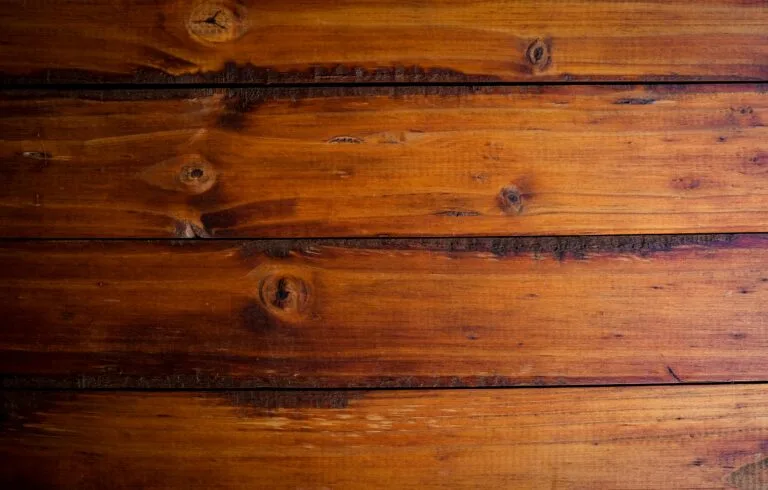
Reclaimed floorboards are timber planks salvaged from older buildings such as barns, factories, schools, or period homes that are being renovated or demolished. These boards are carefully extracted, cleaned, and sometimes reconditioned to ensure they are fit for reuse. Unlike newly manufactured timber, reclaimed boards often display the natural signs of ageing, weathered textures, old nail holes, and a rich patina that cannot be replicated by modern wood. It is these unique characteristics that make reclaimed floorboards especially prized in historic restorations.
Why Choose Reclaimed Floorboards?
Choosing reclaimed timber helps to maintain the historical integrity of your property. Many older homes were constructed using slow-grown hardwoods like oak, pine, elm, or Douglas fir species that are often difficult or costly to source today. By selecting reclaimed boards from a similar period, you can match the size, grain, and overall appearance of your original flooring, helping your restoration to feel seamless and authentic.
Sustainability is another key advantage of reclaimed floorboards. Reusing existing timber reduces the need to harvest new trees, making it an environmentally responsible choice that helps conserve natural resources. This eco-friendly aspect often appeals to homeowners who wish to combine heritage preservation with modern values of sustainability.
Durability is also an important consideration. Older timber is typically denser and more stable than some contemporary alternatives, having come from mature trees that grew slowly over decades. These boards have already proven their resilience over time, and when properly restored and maintained, they can provide a robust and long-lasting floor for many more years.
What to Consider When Choosing Reclaimed Floorboards
Quality and sourcing are crucial. Not all reclaimed timber is suitable for reuse; some may have suffered damage, infestations, or poor storage conditions. Working with a reputable supplier who specialises in reclaimed wood ensures you receive well-selected, treated, and ready-to-install boards. It’s also important to consider the dimensions and finish of the boards, as floorboards from different sources can vary in width, length, and appearance. Matching these details closely to your existing floors or desired look will result in a more cohesive and professional finish.
Preparation and installation require careful attention, too. Reclaimed boards often need cleaning, sanding, and treatment to remove any pests or imperfections before being laid. Due to their varied sizes and natural irregularities, installing reclaimed floorboards can be more complex and time-consuming than fitting new timber. Hiring experienced installers familiar with older materials is highly recommended to achieve the best results.
Adding Character and Warmth to Your Home
Beyond their practical benefits, reclaimed floorboards bring a sense of history and character that adds warmth and personality to any room. Whether installed in a cosy kitchen, an elegant hallway, or a traditional living space, each plank tells a story and contributes to the unique atmosphere of a historic home.
Final Thoughts
In summary, reclaimed floorboards offer an ideal solution for those restoring period properties who want to honour the past while incorporating sustainable and durable materials. With careful sourcing, preparation, and expert installation, reclaimed timber floors can enhance the beauty and authenticity of your home for generations to come.