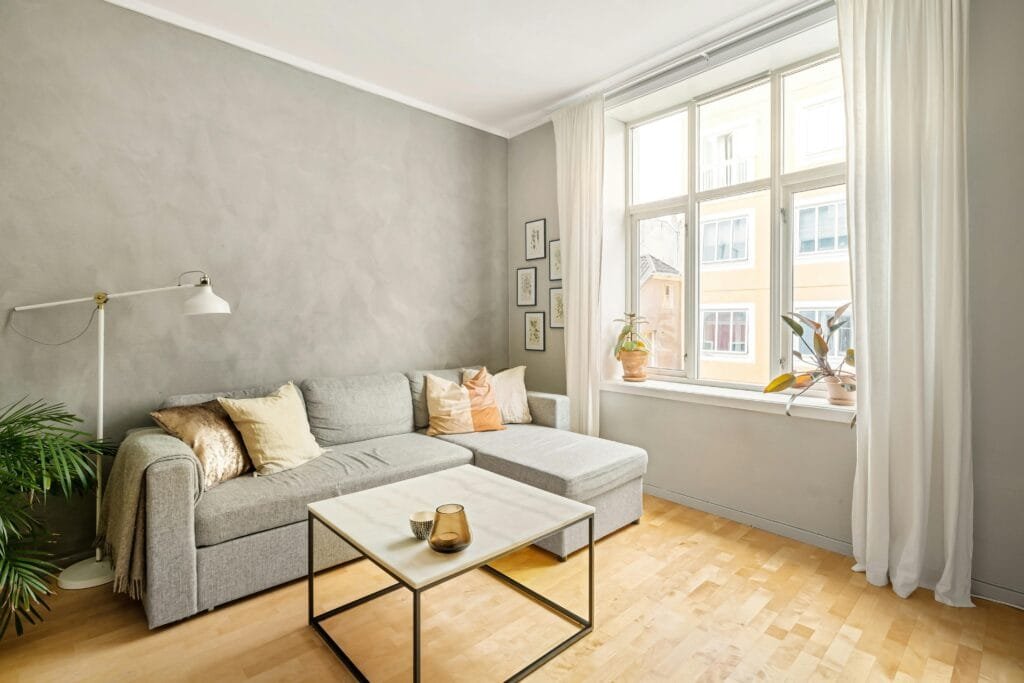
Passive House design is built around one core principle: creating highly energy-efficient buildings that maintain comfortable indoor temperatures with minimal energy use. As sustainability becomes a priority for homeowners and developers alike, material choices play a crucial role. One material that aligns perfectly with this ethos is reclaimed floorboards.
Reclaimed wood flooring not only enhances the aesthetic warmth of a space but also supports the environmental and performance goals central to Passive House design.
What Is Passive House Design?
Passive House (or Passivhaus) is a building standard focused on:
Exceptional insulation
Airtight construction
High-performance glazing
Mechanical ventilation with heat recovery (MVHR)
Reduced heating and cooling demand
The goal is to drastically reduce a building’s carbon footprint while maintaining year-round comfort. Every material used within the building envelope must contribute to efficiency, durability and sustainability – and this is where reclaimed timber flooring stands out.
Sustainability at the Core
One of the biggest advantages of reclaimed floorboards in Passive House design is sustainability.
Unlike new timber, reclaimed wood flooring repurposes existing materials, reducing demand for freshly harvested wood and lowering embodied carbon. By giving timber a second life, homeowners minimise environmental impact while maintaining high-quality natural materials within the build.
Because Passive House projects aim to reduce both operational and embodied carbon, reclaimed oak floorboards are an environmentally responsible choice that supports long-term sustainability goals.
Thermal Performance and Natural Insulation
While flooring is not the primary insulation layer in a Passive House, it still contributes to overall performance.
Solid and engineered reclaimed wood flooring offers:
Natural insulating properties
Compatibility with underfloor heating systems
Improved thermal comfort underfoot
Timber is naturally warmer underfoot compared to materials such as stone or tile, which enhances comfort without increasing heating demand. Many Passive House builds incorporate underfloor heating, and engineered reclaimed floorboards are particularly suitable due to their dimensional stability and efficient heat transfer.
This balance between insulation and conductivity makes reclaimed timber flooring a practical choice in energy-efficient homes.
Airtight Construction Compatibility
Airtightness is fundamental in Passive House construction. Flooring must integrate seamlessly with membranes and subfloor systems to prevent unwanted air leakage.
Reclaimed wood flooring, when properly installed, can work effectively within airtight assemblies. Engineered reclaimed floorboards are especially well-suited to modern subfloor systems, providing greater stability and reducing the risk of movement that could compromise airtight detailing.
Professional installation is essential to ensure reclaimed floorboards perform optimally within a high-performance building envelope.
Durability for Long-Term Performance
Passive House design prioritises longevity. Materials should last decades without frequent replacement.
Reclaimed oak floorboards are often sourced from mature, slow-grown timber, making them denser and more durable than many modern alternatives. Their structural integrity has already been proven over time.
This durability means:
Reduced lifecycle costs
Less material waste over time
Long-term performance in high-traffic areas
Choosing reclaimed timber flooring aligns with the Passive House principle of building once and building well.
Aesthetic Warmth in Contemporary Sustainable Homes
Passive House interiors often feature clean lines, minimalism and large glazed areas. While these spaces are highly efficient, they can sometimes feel clinical without the right materials.
Reclaimed wood flooring introduces:
Natural texture and warmth
Character through knots, grain and patina
A balance between modern design and organic materials
The visual contrast between high-performance glazing and character-rich reclaimed floorboards creates inviting, liveable interiors that feel both contemporary and timeless.
Supporting Biophilic Design Principles
Many Passive House projects incorporate biophilic design – connecting occupants with natural materials to enhance wellbeing.
Reclaimed wood flooring contributes to this by:
Introducing natural textures
Reducing reliance on synthetic materials
Enhancing indoor comfort
The tactile quality of reclaimed timber flooring complements the health-focused goals of Passive House living.
Final Thoughts
The role of reclaimed floorboards in Passive House design goes beyond aesthetics. From reducing embodied carbon to enhancing durability and thermal comfort, reclaimed wood flooring supports both the environmental and performance objectives of energy-efficient construction.
As sustainable building standards continue to evolve, integrating reclaimed oak floorboards into Passive House projects offers a practical and environmentally conscious flooring solution that stands the test of time.
Planning a Sustainable Flooring Project?
If you’re designing or renovating a Passive House and considering reclaimed wood flooring, we can help. Our carefully sourced reclaimed floorboards combine character, durability and sustainability – ideal for energy-efficient homes.